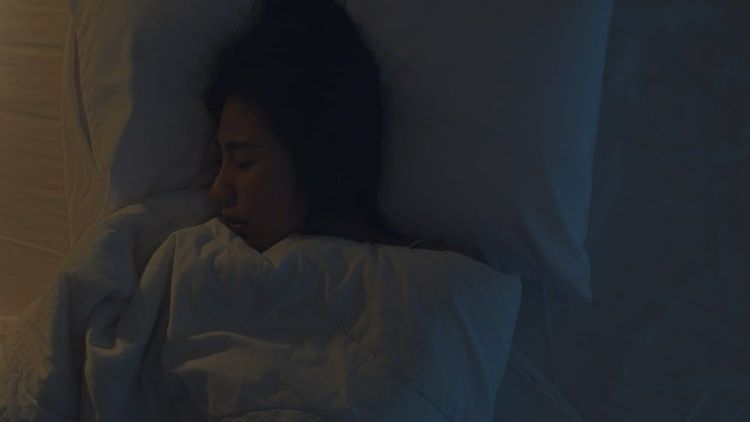
Some people expect stress to ruin their sleep, yet they occasionally experience the opposite. If you've ever wondered, Why you Sleep Better After a Stressful Day, the answer lies in how your brain and body respond to different kinds of stress, physical effort, and emotional demands.
Stress does not always affect sleep the same way
Stress is often blamed for restless nights, but the relationship is more complicated than that. The body doesn't react identically to every stressful experience. A demanding workday, a long hike, an emotionally draining conversation, and preparing for an important presentation all create stress, yet they affect the nervous system differently.
Your body responds to stress by activating the sympathetic nervous system. Heart rate rises, stress hormones increase, and your brain becomes more alert. Once the challenge passes, another system takes over. The parasympathetic nervous system begins calming the body and preparing it for recovery.
For some people, this recovery phase creates unusually strong sleep pressure. After spending hours managing difficult situations, both the mind and body become ready for deep rest.
This explains why two equally stressful days can produce different nights. One leaves you tossing in bed, while another has you asleep within minutes.
Physical exhaustion and mental exhaustion are not the same
Although they often occur together, physical fatigue and mental fatigue influence sleep differently.
Physical activity usually strengthens the body's natural sleep drive. Muscles require recovery, energy stores need replenishing, and body temperature gradually falls after exercise. These biological changes encourage deeper sleep.
Mental exhaustion is more unpredictable.
A day filled with concentration, decision-making, and emotional regulation consumes enormous cognitive resources. Many people notice that after solving problems continuously for hours, they fall asleep faster simply because their brains have reached a point of temporary depletion.
However, mental fatigue doesn't always guarantee restful sleep. If the brain remains busy replaying conversations or worrying about tomorrow, exhaustion can exist alongside insomnia.
This difference explains why someone may feel completely drained but still struggle to fall asleep after a highly anxious day.
Why Do I Sleep Better After a Stressful Day? Your recovery system may be taking over
The answer often lies in what happens after the stressful event ends.
Once your brain determines that the threat has passed, recovery processes begin almost immediately. Heart rate gradually slows, breathing becomes steadier, and stress hormone levels begin falling.
At the same time, the body starts repairing tissues, restoring immune function, and balancing energy reserves. Sleep becomes the ideal environment for completing those tasks.
Researchers describe sleep as one of the body's primary recovery mechanisms. During deep sleep, growth hormone increases, immune cells become more active, memories are organized, and many metabolic processes shift toward restoration.
After an unusually demanding day, these recovery needs may become greater than usual, increasing your desire to sleep.
Instead of viewing good sleep after stress as strange, it often reflects a healthy biological response to temporary overload.
Cortisol can both disturb and support healthy sleep
Cortisol is frequently called the "stress hormone," but that label oversimplifies its role.
Healthy cortisol follows a daily rhythm. Levels rise before waking, helping you become alert, and gradually decline throughout the evening.
Temporary stress causes an additional surge. Once the stressful situation resolves, cortisol normally falls again.
If that decline happens at the right time, it can leave you feeling surprisingly sleepy.
Problems develop when cortisol remains elevated long after the stressful event has ended. Chronic workplace pressure, ongoing financial concerns, relationship conflict, or untreated anxiety may prevent cortisol from dropping sufficiently before bedtime.
In those situations, people often experience delayed sleep, frequent waking, or lighter sleep instead of restorative rest.
The timing of cortisol matters as much as the amount.
Emotional release can make falling asleep easier
Not every stressful day ends with unresolved tension.
Sometimes the biggest challenge has already passed. You completed the presentation, finished difficult exams, resolved an argument, or met an important deadline.
The emotional relief that follows can be surprisingly powerful.
Psychologists sometimes describe this as a release of accumulated psychological tension. Once uncertainty disappears, the brain no longer needs to remain hypervigilant.
People often report sleeping exceptionally well after:
- Completing major projects
- Finishing demanding travel
- Attending emotionally intense family events
- Recovering from medical procedures
- Solving long-standing problems
The quality of sleep improves because the brain no longer anticipates immediate danger or unfinished responsibility.
In these cases, better sleep reflects relief rather than stress itself.
Sleep pressure builds throughout the day
Another reason people sleep better after demanding days involves a process called sleep pressure.
Sleep pressure develops from the moment you wake up. Throughout the day, a chemical called adenosine gradually accumulates in the brain.
The longer you remain awake and mentally active, the stronger this biological drive becomes.
Stressful days often require sustained attention, constant decision-making, emotional regulation, and problem-solving. All of these activities contribute to the feeling that your brain has "run out of fuel."
By bedtime, sleep pressure may be significantly higher than usual.
This can shorten the time needed to fall asleep and increase the amount of deep sleep early in the night.
Even people who spend the day mostly sitting at a desk may experience strong sleep pressure if their cognitive workload has been unusually high.
When stress actually causes poor sleep instead
Although some stressful days improve sleep, others have the opposite effect.
The difference often depends on whether the stress feels finished or ongoing.
Acute stress usually has a beginning and an end. Once resolved, recovery can begin.
Chronic stress continues into the evening. The brain keeps searching for solutions, predicting future problems, or replaying difficult situations.
Several factors make stress more likely to interfere with sleep:
- Persistent anxiety
- Financial uncertainty
- Long-term caregiving responsibilities
- Chronic illness
- Depression
- High caffeine intake late in the day
- Excess alcohol before bedtime
Instead of transitioning into recovery mode, the brain remains alert long after bedtime arrives.
People often describe feeling tired but unable to switch their thoughts off.
That combination differs greatly from the healthy fatigue experienced after completing a demanding but temporary challenge.
Individual differences explain why everyone reacts differently
Not everyone sleeps better after stressful experiences.
Genetics, personality, age, health, previous trauma, and existing sleep habits all influence how stress affects the brain.
Some people naturally recover quickly after pressure ends. Others remain physiologically activated for many hours.
Lifestyle also matters.
Someone who exercises regularly, maintains consistent sleep schedules, and practices stress management often returns to baseline faster than someone experiencing poor overall health.
Certain medical conditions also change this relationship.
People living with anxiety disorders, post-traumatic stress disorder, chronic pain, or untreated sleep disorders may find that even minor stress disrupts their sleep for several nights.
Meanwhile, others may sleep heavily after almost every demanding day because their nervous system efficiently shifts into recovery mode.
Neither pattern is automatically abnormal.
Healthy ways to support restorative sleep after stressful days
Good sleep after a difficult day is generally a positive sign, but healthy habits still matter.
Rather than relying on exhaustion alone, support your body's natural recovery process.
A consistent bedtime helps reinforce your internal body clock. Limiting caffeine later in the day prevents unnecessary stimulation. Reducing bright screen exposure before bed encourages natural melatonin production.
Gentle evening activities also help signal that the stressful part of the day has ended. Reading, stretching, quiet music, or light breathing exercises often allow recovery to begin more smoothly.
It's equally important to avoid confusing emotional exhaustion with recovery. Sleeping well after stress is beneficial, but repeatedly pushing yourself beyond healthy limits is not a sustainable strategy.
Recovery should become part of daily life rather than something reserved for exceptionally difficult days.
When sleeping better after stress deserves medical attention
Most of the time, sleeping deeply after a stressful day is completely normal.
However, sudden or dramatic changes in sleep deserve attention if they continue for several weeks or occur alongside other symptoms.
Consider speaking with a healthcare professional if you notice:
- Persistent daytime exhaustion despite long sleep
- Loud snoring or pauses in breathing
- Frequent nightmares
- Difficulty staying awake during normal activities
- Major mood changes
- Significant changes in appetite or energy
- Ongoing insomnia following stressful events
Sleep reflects overall physical and mental health. While an occasional night of unusually good sleep is rarely concerning, consistent changes may point toward conditions worth evaluating.
Understanding your own sleep patterns over time provides far more useful information than judging a single night in isolation.
Conclusion
If you've been asking, Why Do I Sleep Better After a Stressful Day?, the explanation usually comes down to recovery. Once a temporary challenge ends, the nervous system often shifts from heightened alertness into repair mode. Physical fatigue, emotional relief, increased sleep pressure, and healthy hormonal changes can all encourage deeper, more refreshing sleep.
The important distinction is whether the stress is temporary or ongoing. Short-lived stress sometimes strengthens the body's drive to rest, while chronic stress is far more likely to interfere with healthy sleep. Paying attention to the pattern, rather than one isolated night, offers the clearest picture of how stress is affecting your overall well-being.